03/11/2026 · brake-repairs
The Complete Guide to Car Brakes: Maintenance, Problems & Repairs in North Brisbane
Everything you need to know to keep your brakes well maintained.
Your car's braking system is one of its most important safety features. Whether you're commuting through North Brisbane, driving around Banyo or heading out on a longer Queensland road trip, properly functioning brakes are essential for maintaining control and stopping safely.
But how much do you really know about your car's brakes?
Understanding how the braking system works, recognising early warning signs and knowing when to seek professional advice can help you make better decisions about vehicle maintenance.
In this guide, we'll cover the fundamentals of car brakes, common problems, maintenance considerations and when it's time to have your vehicle inspected by a mechanic.
How Does a Car Braking System Work?
Most modern passenger vehicles use a hydraulic braking system to convert the force applied to the brake pedal into stopping power.
When you press the brake pedal, hydraulic pressure is transferred through the brake fluid to components at each wheel. These components create friction, slowing down the rotation of the wheels and helping bring the vehicle to a stop.
Although the basic principle is relatively straightforward, modern braking systems can incorporate several components and electronic technologies that work together to improve braking performance and vehicle stability.
The system needs to operate correctly as a whole. A problem with one component can affect how the brakes feel and perform.
The Main Components of Your Car's Braking System
Understanding the main components can help you recognise why different brake problems require different types of inspection and repair.
Brake Pads
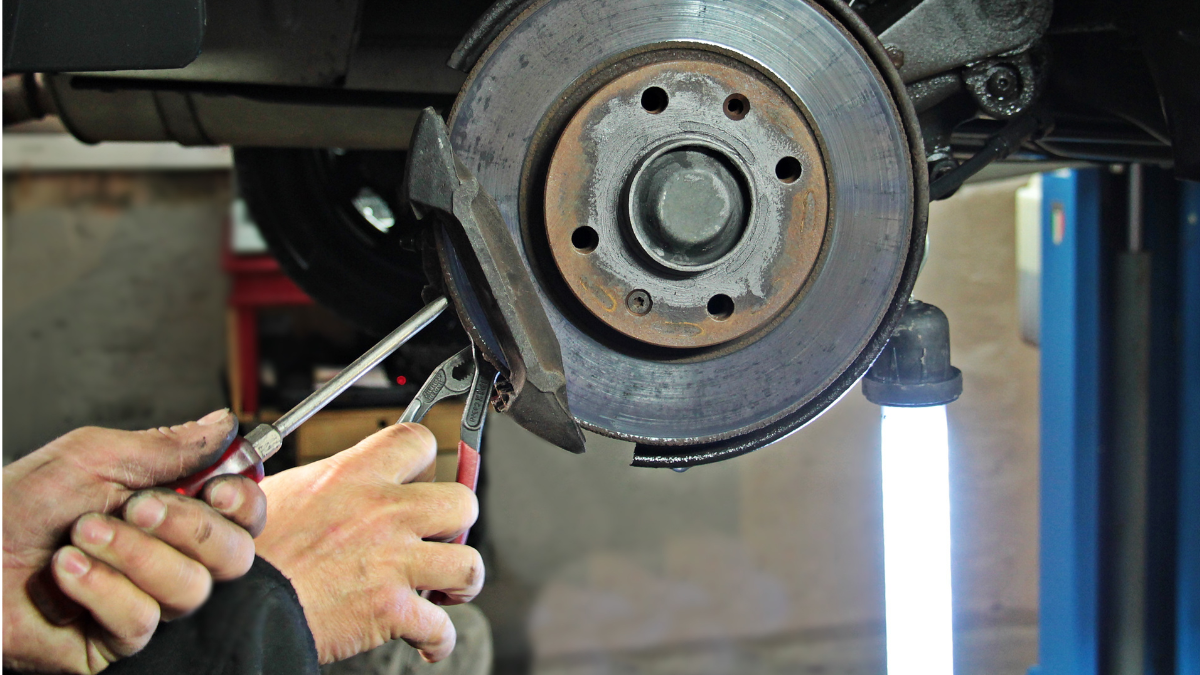
Brake pads are friction components that press against the brake discs when you apply the brakes. Over time, this friction material wears down and may eventually need replacing.
Brake Discs (Rotors)
Brake discs are attached to the wheels and rotate as the vehicle moves. When the brake pads press against them, friction helps slow the vehicle down.
Brake Calipers
Brake calipers house the brake pads and apply pressure to them against the discs. Their operation is important for consistent braking performance.
Brake Fluid and Hydraulic Components
Brake fluid transfers hydraulic pressure through the braking system. The condition of the fluid, hoses, lines and other hydraulic components is important for reliable operation.
Anti-lock Braking System (ABS)
Many modern vehicles are equipped with ABS, an electronic safety system designed to help prevent the wheels from locking during hard braking. It helps the driver maintain steering control in certain braking situations.
These components work together, and a concern involving one part may require further checks elsewhere in the system.
Common Signs Your Braking System Needs Attention
Changes in braking performance should never be ignored. Unusual noises, changes in pedal feel or warning lights can indicate that something needs to be checked.
Some common warning signs include:
Unusual noises when applying the brakes
Changes in how the brake pedal feels
Vibrations when slowing down
The vehicle pulling to one side during braking
A brake warning light appearing on the dashboard
These symptoms can have different causes, and they don't always point to the same faulty component.
For example, a noise may be related to friction components, while a change in pedal feel may involve the hydraulic system or another part of the braking system.
For now, the important thing to remember is that changes in braking behaviour deserve attention from a qualified automotive professional.
If your brakes are making unusual grinding noises, the pedal feels spongy or braking performance has changed significantly, avoid continuing to drive when it may be unsafe and arrange professional assistance.
When Should You Replace Your Brake Pads?
Brake pads are wear components, which means they gradually lose material as they are used.
However, there isn't one replacement interval that applies to every vehicle. Their lifespan depends on several factors, including driving habits, vehicle weight, road conditions, brake component design and the type of brake pads fitted.
Regular inspection helps determine whether the remaining friction material is within acceptable limits and whether replacement is required.
It's also important to understand that brake pad wear isn't the only factor affecting braking performance. Other components may need attention even when the pads still have material remaining.
Not sure whether your brake pads need replacing? A professional inspection is the most reliable way to assess their condition and identify any related concerns. Get in touch with our team to book an inspection.
Why Are Your Brakes Making Unusual Noises?
Noise is one of the most common reasons drivers become concerned about their braking system.
You may notice squealing, squeaking, scraping or grinding sounds when applying the brakes. While some noises can occur under particular conditions, persistent or unusual sounds should be investigated.
Different noises may have different explanations, including brake pad wear, surface conditions, vibration or issues involving other braking components.
The important point is not to assume that every noise means the same thing or that it will disappear without attention.
Hearing an unusual noise when braking? If the noise is accompanied by reduced braking performance or a grinding sensation, arrange an assessment promptly and avoid driving if the vehicle may be unsafe.
How Much Does Brake Replacement Cost?
Brake repair costs vary depending on the vehicle, the components involved and the work required.
For example, replacing brake pads is different from replacing brake discs, repairing a caliper or investigating a hydraulic system problem. Sometimes just a clean up and a brake fluid flush do the work as well without having to replace any part.
The final cost may also depend on the make and model of the vehicle, the parts specified and whether additional issues are identified during inspection.
This is why it's difficult to provide one price that accurately applies to every vehicle.
A proper assessment helps establish which components need attention and what work is required before a repair is approved.
Want to understand what influences the price of a brake repair? When discussing a repair with your mechanic, it's worth asking which components require attention, why the work is recommended and whether any additional repairs are necessary.
How to Maintain Your Braking System
Looking after your brakes starts with paying attention to how your vehicle behaves and keeping up with scheduled maintenance.
A few practical habits can help you stay aware of your braking system's condition:
Pay attention to changes in braking performance.
Don't ignore unusual noises or dashboard warning lights.
Follow your vehicle manufacturer's recommended maintenance schedule.
Have braking concerns assessed rather than relying on assumptions.
Ask for the condition of relevant braking components to be checked during appropriate maintenance inspections.
Your driving conditions also matter. Frequent stop-start driving, carrying heavy loads and driving in demanding conditions can place additional demands on braking components.
Brake maintenance should be based on your vehicle's condition and manufacturer requirements, rather than an arbitrary replacement schedule.
When Should You Visit a Mechanic?
You don't need to wait until your brakes stop working properly before seeking professional advice.
If you notice unusual noises, vibrations, changes in pedal feel or a warning light, it's worth having the vehicle assessed.
Some symptoms may indicate a relatively straightforward maintenance issue, while others can point to problems that affect the vehicle's ability to stop safely.
If the brake pedal suddenly feels different, braking performance is significantly reduced, or you hear severe grinding, don't continue driving if it is unsafe to do so. Arrange appropriate professional assistance.
A mechanic can inspect the relevant components, investigate the symptoms and explain what repairs may be required.
Looking for Brake Repairs in Banyo or North Brisbane?
If you've noticed a change in how your brakes perform, getting the right advice is an important first step.
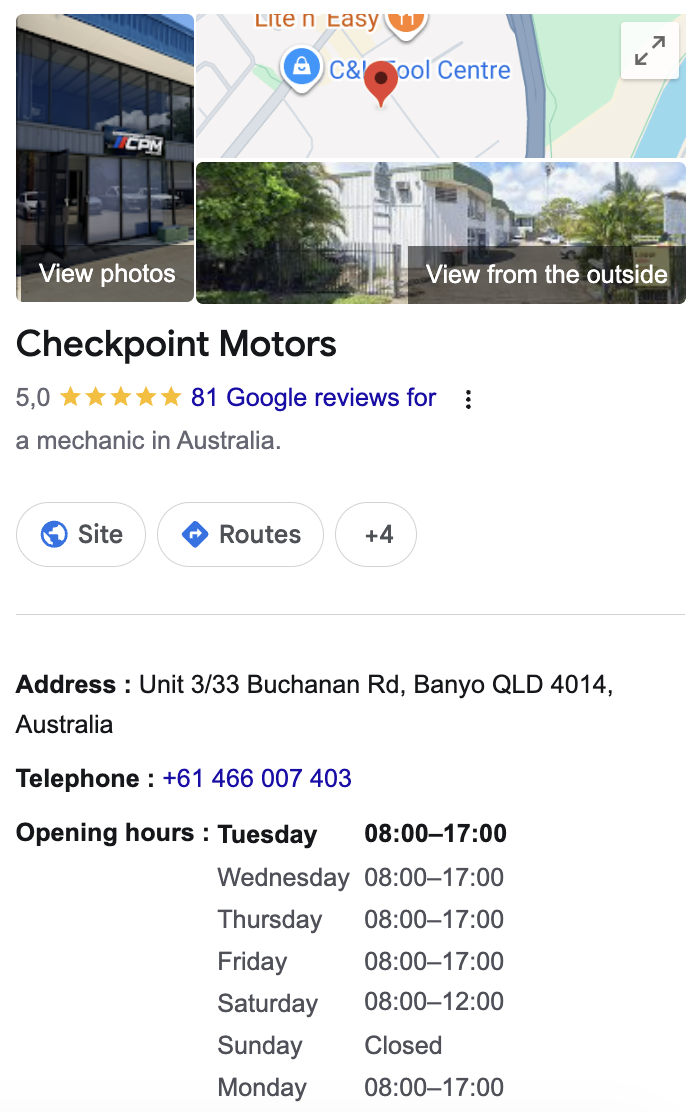
At Checkpoint Motors, located in Banyo, we help drivers in North Brisbane understand their vehicle's mechanical concerns and the repairs that may be required.
Our approach focuses on clear communication, practical advice and quality workmanship. We aim to explain what has been identified, why a repair may be necessary and what the next steps look like. Everything with transparency, premium care and fair prices.
Whether you're concerned about brake pad wear, unusual noises or another braking issue, we're here to help you understand your options. Contact our team to discuss your vehicle's symptoms and arrange an appropriate brake inspection.
Frequently Asked Questions About Car Brakes
How often should car brakes be inspected?
There isn't one inspection interval that applies to every vehicle. Follow your manufacturer's maintenance schedule and arrange an inspection if you notice any changes in braking performance or unusual symptoms.
Do all brake problems mean the brake pads need replacing?
No. Brake problems can involve several components, including discs, calipers, hydraulic lines, brake fluid and electronic systems. An inspection is needed to identify the cause.
Can I drive if my brakes are making noise?
It depends on the type of noise and whether braking performance has changed. Persistent grinding, severe noises or reduced braking performance can indicate a serious issue. Avoid driving if the vehicle may be unsafe and seek professional advice.
What does a brake inspection involve?
An inspection may include assessing brake pads, discs, calipers, hydraulic components and other relevant parts, depending on the vehicle and the symptoms reported.
Where can I get brake repairs in North Brisbane?
Checkpoint Motors is located at 3/33 Buchanan Road, Banyo, Queensland, and serves drivers in the surrounding North Brisbane area. You can call us on 0466 007 403 or just submit a form with your details and we work from there.
Keep Your Brakes in Check
Your braking system plays an essential role in your vehicle's safety. Understanding how it works and recognising when something changes can help you make informed maintenance decisions.
If you have concerns about your vehicle's brakes, don't leave them unexplained.
Contact Checkpoint Motors in Banyo to discuss brake inspections and repairs in North Brisbane.